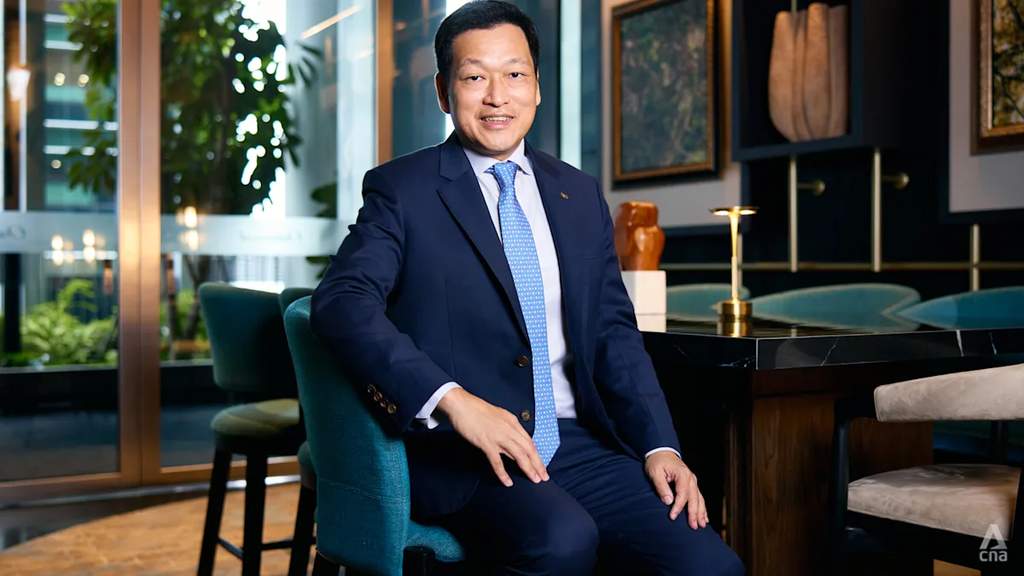
Singapore Pioneer Ascott Redefines Global Extended Stay Hospitality
Founded in Singapore in 1984 with the opening of Asia Pacific"s first international-class serviced residence, The Ascott Limited has expanded into a global hospitality powerhouse operating over 1,000 properties across 230 cities. Citing reports from the company, Chief Executive Officer Kevin Goh explains that the brand"s enduring success stems from focusing on fundamental human needs rather than chasing fleeting industry fads. This vision allowed the company to pioneer flexible residential comfort long before remote work and digital nomadism became mainstream trends.
Traditional hotel models traditionally focused on short stays where rooms served purely as places to sleep between business or leisure excursions. However, the rise of remote working, digital nomadism, and food delivery apps fundamentally altered modern travel expectations. Travellers now demand functional workspaces, kitchenettes, and practical amenities like in-room washing machines to make their temporary accommodations feel genuinely liveable.
According to industry data, Ascott achieved rapid international scale by adopting an asset-light operating model centred on management and franchising rather than direct real estate ownership. Its diverse portfolio now encompasses prominent brands such as Oakwood, Somerset, Lyf, The Unlimited Collection, and Yello. This multi-brand strategy enables the hospitality giant to cater seamlessly to families, corporate professionals, and holidaymakers alike.
"We weren"t ahead of our time as much as stayed close to something fundamental," Goh stated regarding the company"s early focus on residential comfort. "People away from home want more than a room. They want a space that works around their life."
Flexibility and Tech Innovation Drive Modern Guest Experiences
The shift towards experiential travel has turned connection into the ultimate luxury for modern hospitality operators. Ascott successfully captures this demand by placing properties in vibrant city neighbourhoods near local markets, independent shops, and community hubs. This strategic proximity allows guests to immerse themselves fully in local cultures rather than remaining isolated within tourist bubbles.
To foster deeper connections, Ascott curates exclusive member events through its loyalty program, Ascott Star Rewards, which boasts over nine million members. Partnerships providing courtside access at major sporting events and culinary experiences hosted by celebrated chefs help drive an impressive repeat booking rate exceeding 60 percent. Furthermore, the company is actively investing in artificial intelligence to deliver smarter, highly personalized guest recommendations.
Operating from a small home market like Singapore forced Ascott to compete internationally from the outset, cultivating a highly nimble operating model. During the pandemic, this flexibility enabled the company to pivot toward quarantine facilities and longer-stay demands, maintaining an average occupancy rate of about 50 percent during severe global travel restrictions. This resilience proved that its hybrid approach could withstand unprecedented industry disruption.
"We had to be nimble in adapting to different market conditions," Goh explained, noting that this adaptability eventually became a defining characteristic of Ascott's global business strategy.
Singapore Testbed Fuels Rapid Expansion Across Asia Pacific
For all its massive international footprint, Ascott continues to use Singapore as a crucial testing ground for innovative hospitality concepts. The city's dense, highly discerning mix of international visitors, business professionals, and locals provides an ideal environment to validate new ideas. Recent local launches include the premium Oakwood Premier Raffles Place and the social-living property Lyf Chinatown Singapore.
Looking forward, company leadership believes that the most exciting growth momentum in the global hospitality sector is shifting toward the Asia-Pacific region. Growing middle classes, rising disposable incomes, and younger demographics prioritizing travel are accelerating demand across diverse urban and leisure markets. Secondary cities and coastal destinations are also rapidly capturing the attention of international travellers.
Vietnam represents a standout growth market for the brand, supported by robust infrastructure investments and a thriving tourism sector. Having operated in the country for over three decades, Ascott recently signed agreements for eight new properties in a single month to expand its local portfolio. This aggressive expansion highlights the company's commitment to building well ahead of emerging travel curves.
"The pipeline reflects where we think Vietnam is heading, and we are building ahead of that curve," Goh emphasized regarding the brand's aggressive development strategy across high-potential Asian markets.
