Redefining Digital Device Habits
Based on reports from the Atlanta Journal-Constitution published in August 2026, modern families are increasingly grappling with how to integrate digital devices into healthy daily routines, inspired by relatable storylines such as Pixar's Toy Story 5. According to the 2026 Kids Interactive Entertainment Report from platform Lingokids, nearly 85% of Georgia parents report that screen time forms an ordinary part of their everyday family schedule.
As tablets and smartphones become commonplace tools for restaurants, travel, and quiet afternoons, families continue searching for a sustainable approach to modern childhood. Rather than focusing exclusively on strict hourly restrictions, child development specialists emphasize evaluating the broader picture of a child's day-to-day activities and overall well-being.
Citing reports from child health advocates, nationwide surveys indicate that approximately 84% of parents experience guilt regarding their children's digital consumption. This widespread emotional conflict highlights the intense pressure caregivers face while trying to balance busy schedules with optimal developmental outcomes for their kids.
According to Florida pediatrician and child development expert Dr. Mona Amin, rigid rules fail to account for the realities of modern family life. "Parents are trying to do the best they can," Amin said. "I think we"ve somehow created this idea that there"s one perfect way to do screen time, and I just don"t think that"s real life."
Assessing Developmental Needs First
When evaluating healthy habits, experts look far beyond the clock to determine how digital media fits into a child's overall routine. Dr. Amin notes that the duration of device usage is never her initial question when consulting worried parents about their daily habits.
Instead, medical professionals evaluate fundamental developmental pillars such as adequate sleep, outdoor physical activity, peer socialization, and meaningful family conversation. "I start with, "What did the rest of today look like?"" she explained. "Did they sleep well? Did they get outside? Did they play with another child?"
Additional key indicators include whether children can easily turn off a device without experiencing severe behavioral outbursts or emotional distress. If core developmental requirements are successfully met over the course of a day, occasional entertainment viewing does not pose a developmental threat.
"If all of those other developmental needs are being met, I"m not worried if they watched a movie or two with their sibling over the weekend,' Amin stated, offering reassurance to overwhelmed caregivers across the country.
Quality, Context, and Grace in Parenting
Beyond tracking minutes, experts urge families to examine the specific quality and context of how children interact with digital displays. Interactive educational games or video calls with distant relatives provide vastly different cognitive experiences compared to hours of passive scrolling.
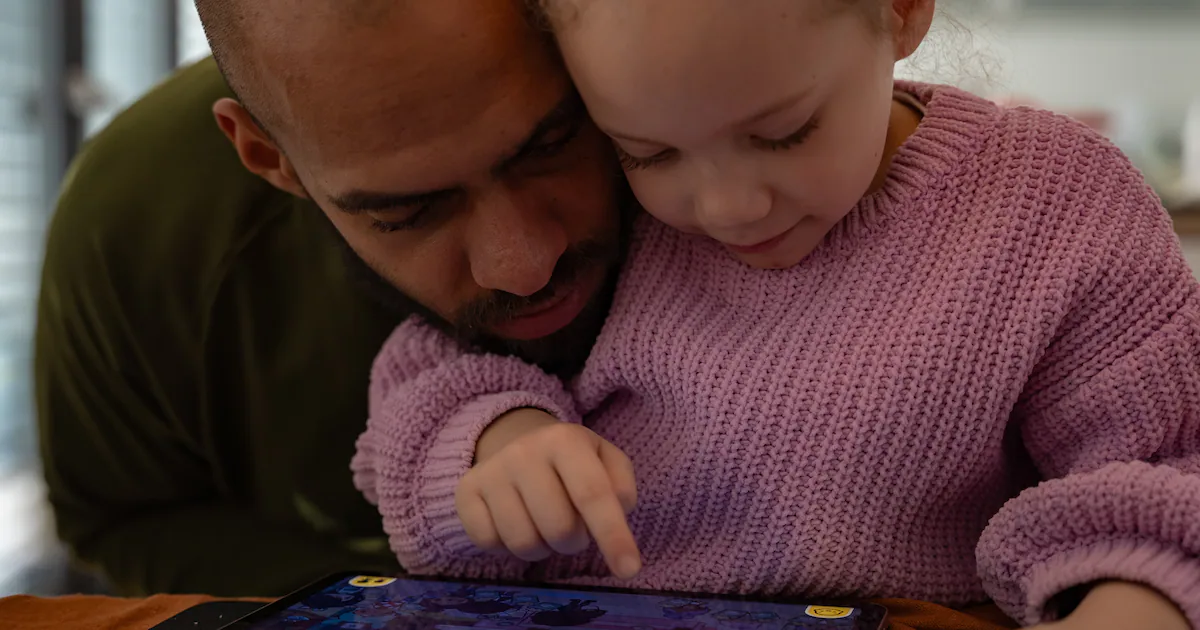
Joint viewing sessions also foster rich environments for shared conversation, imaginative play, and interactive storytelling long after the device is powered down. Paying close attention to individual child responses helps parents tailor guidelines that match their unique temperament rather than generic recommendations.
"If you"re noticing every single time the screen turns off there"s a huge meltdown, that"s information," Amin noted regarding behavioral cues. "If they're able to transition and move into something else, that"s information too." Finding an ideal balance requires flexibility rather than adherence to a single universal formula.
Ultimately, professionals encourage caregivers to release self-imposed guilt and embrace flexibility while raising children in a rapidly evolving technological era. 'If there"s room for sleep, laughter, conversation, friendships, imagination and play, families are probably doing better than they think," Amin concluded.
