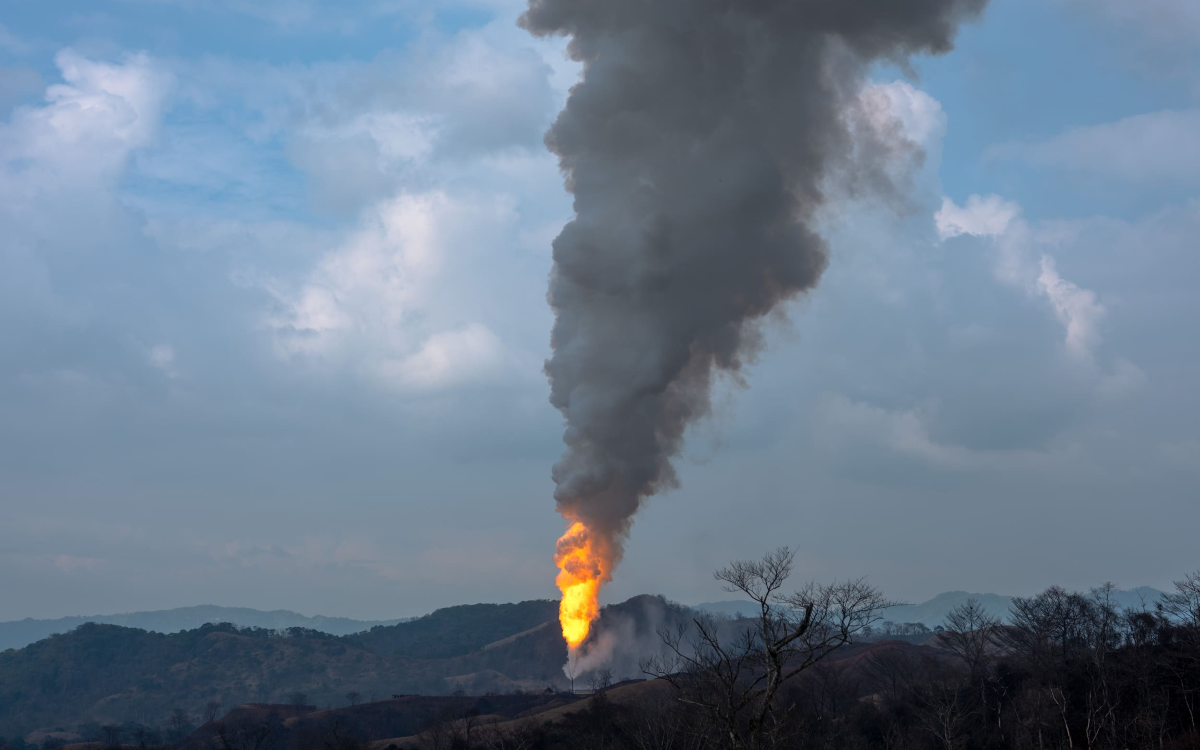
Pemex Extinguishes Krem-1 Well Fire After Five Months
State-owned oil company Petróleos Mexicanos finally extinguished a massive gas well fire at the Krem-1 facility in Las Choapas, Veracruz, after a staggering 150 days, according to recent reports. The prolonged industrial disaster, which began due to a severe gas leak, has left local communities and environmental experts grappling with profound uncertainties regarding water, vegetation, fauna, and public health impacts.
Independent analyses indicate that the disaster resulted in the burning of approximately 252 million cubic meters of gas alongside 270 impacted hectares of local vegetation. Furthermore, nitrogen dioxide emissions surged by up to 25 percent in the surrounding region, severely compromising local air quality during the prolonged emergency period.
Citing reports from independent environmental organizations, local residents have reported significant losses of livestock and agricultural crops alongside rising respiratory illnesses. Experts point out that comprehensive official data regarding the exact composition of the pollutants released remains notably absent from public records.
"These damages, which can be caused by the inhalation of toxic gases like benzene that come associated with methane, do not manifest immediately," said Pablo Montaño, director of the organization Conexiones Climáticas, emphasizing the long-term dangers facing vulnerable rural populations.
Health Risks and Agricultural Devastation Threaten Communities
Residents living within a ten-kilometer radius of the Krem-1 well have reported severe physical symptoms including intense headaches, dizziness, nausea, and skin irritation from contaminated local water sources. Academic researchers warn that many long-term health risks, including chronic respiratory issues and potential carcinogenic exposure, require rigorous medical tracking.
"For this reason, it is very important to make a detailed and long-term analysis and follow-up on the affected people," explained Aleida Azamar Alonso, a researcher at the Autonomous Metropolitan University, stressing the urgent need for comprehensive blood tests and medical evaluations in the region.
The disaster has heavily disrupted local livelihoods, particularly in communities heavily dependent on small-scale farming and cattle raising for survival. Agricultural specialists warn that contaminated water supplies and scorched pastures threaten severe food security issues for thousands of local families.
According to reports from field investigators, dozens of farm animals have already perished in lands neighboring the blast zone, leaving local farmers facing devastating economic losses and very few viable alternatives for financial recovery.
Environmental Fallout Highlights Fossil Fuel Risks
Satellite monitoring utilizing thermal infrared data revealed that the flared gas volume equals the annual emissions produced by roughly 135,000 automobiles over a twenty-year horizon. Environmental advocates argue this catastrophe highlights the severe environmental risks tied to aggressive fossil fuel extraction policies in vulnerable tropical regions.
The satellite observation program known as VIIRS Nightfire successfully mapped the massive scale of the thermal radiation generated continuously throughout the five-month ordeal. Researchers note that nitrogen dioxide levels remained elevated above the blast zone, serving as a reliable indicator of companion pollutants like black carbon and fine particulate matter.
Vegetation mapping identified an inner core of scorched soil spanning eight hectares, surrounded by a wider ring of dead flora covering approximately 120 hectares. An additional 140-hectare boundary sustained heavy damage while remaining technically alive, according to detailed geographic assessments.
Despite repeated requests from media outlets seeking detailed transparency regarding containment measures and environmental assessments, officials from the state-owned petroleum enterprise have not issued comprehensive public responses regarding the ecological disaster.
