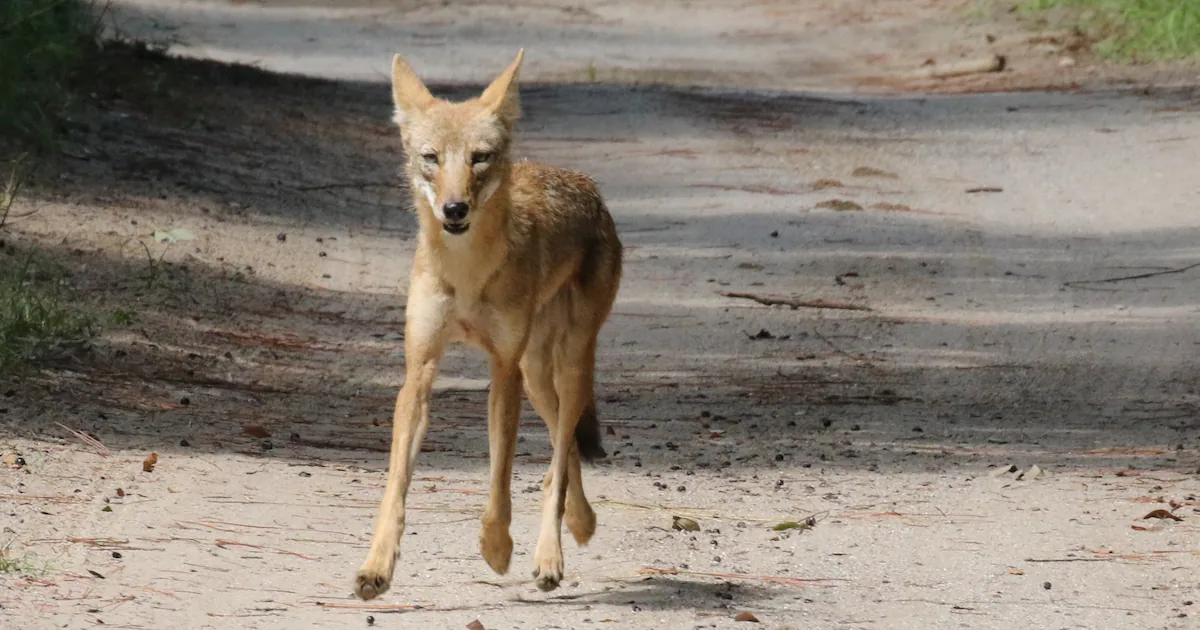
Coyote Sightings Increase Across Georgia Neighborhoods
A surge of coyote sightings has been reported across DeKalb County and surrounding Atlanta neighborhoods in recent weeks, with residents capturing footage of the animals in backyards, streets, and schoolyards. According to local neighborhood apps and resident accounts, homeowners frequently spot coyotes roaming residential areas, sometimes tracking pets or searching for food.
A homeowner in the Glendale Courts area shared a video of a coyote loping down a driveway during the early morning hours, while an Atlanta Grant Park resident reported multiple coyotes moving through front yards. Citing reports from local residents, wildlife observers note that these urban encounters are becoming more common as doorbell cameras capture nocturnal animal activity.
Chris Mowry, a biologist with the Atlanta Coyote Project, explained that despite the rising number of reported encounters and widespread online videos, population numbers have not actually exploded. Researchers emphasize that while perception suggests an escalating invasion, the steady population rates reflect natural ecological balance rather than unchecked growth.
"People are making more videos using security cameras before, and that is why sightings seem widespread now," Mowry stated, highlighting how modern technology amplifies the perception of increased wildlife presence.
Urban Adaptability And Natural Population Controls
Coyotes have expanded successfully across Georgia and the American Midwest since the 1970s, adapting seamlessly to urban and suburban environments. Experts from the University of Georgia note that these animals readily established themselves in urban settings due to abundant prey, lack of native competitors, and high adaptability.
Despite human efforts to control numbers through trapping and hunting, researchers report that such measures are largely futile because coyote populations naturally bounce back. Natural mortality forces, territorial spacing, disease, and litter size limitations help maintain stable population structures over time.
As spring-born pups reach five months of age, family packs begin to shift territories, and young coyotes start dispersing to find their own ranges. Wildlife experts point out that these dispersing juveniles often account for the visible increase in urban wildlife encounters during specific seasons.
"As top wildlife predators, coyotes help keep healthy habitats in check by removing rodents and pests, serving a beneficial role despite community concerns," Mowry added regarding the ecological importance of predators.
Understanding Coyote Behavior And Upcoming Census Events
Researchers advise residents to remain cautious and secure potential food sources such as fallen fruit or unsecured garbage, which can attract urban wildlife. According to local wildlife authorities, coyotes are naturally opportunistic and may frequent residential yards during the fall when seasonal food items become abundant.
To gather more data on regional biodiversity, organizers are promoting the upcoming Great Southeast Pollinator Census, encouraging community participation and plant observations. Residents interested in contributing to regional wildlife tracking can find more information and report sightings through official conservation websites.
Urban wildlife specialists continue to monitor coyote movements and interactions across metropolitan Atlanta to better understand how animals and humans coexist. Researchers emphasize that community reporting helps scientists track population trends accurately without relying on speculative assumptions.
"When fruit rips and falls, especially in autumn, coyotes are going to be out there," Mowry noted, reminding residents to manage outdoor attractants effectively during seasonal transitions.
