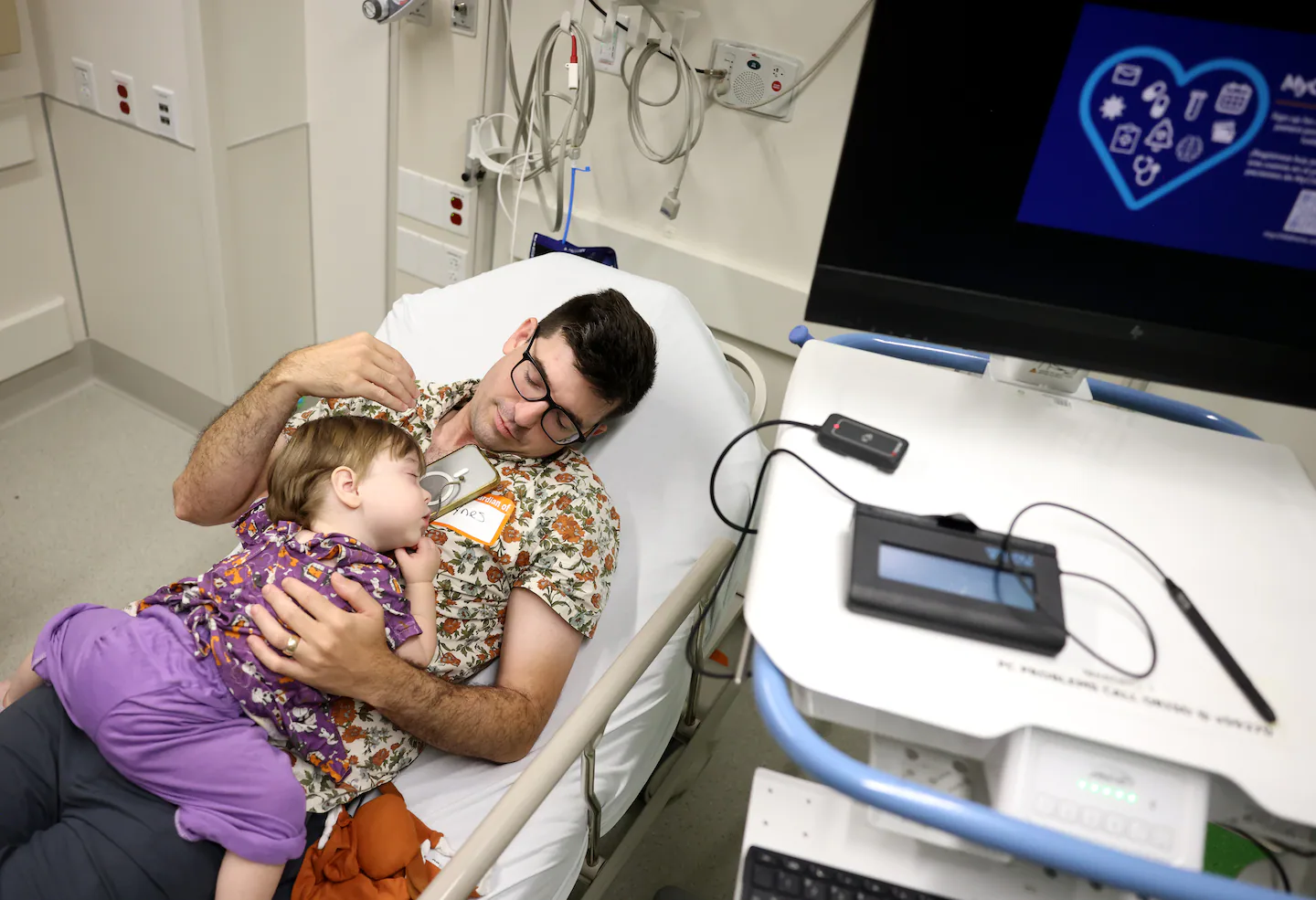
Pioneering Gene Therapy Restores Hearing in Young Patient
Sixteen-month-old Everett Tynes became the first patient in the United States to receive a newly approved gene therapy designed to restore natural hearing at Boston Childrens Hospital in early August 2026. Born deaf due to a rare genetic variant preventing sound signals from reaching his brain, Everett underwent a surgical procedure to deliver a working copy of his defective OTOF gene directly into his inner ear. Citing reports from the medical center, this one-time treatment marks a monumental milestone for pediatric genetic medicine and hearing restoration.
Genetics account for approximately half of all newborn hearing loss cases, encompassing roughly 150 different malfunctioning genes that lead to deafness. Regeneron data indicates that about 50 babies are born annually in the United States with Everett's specific genetic hearing loss condition. His parents, Leah Hamel and Andrew Tynes of Birmingham, Alabama, navigated numerous specialists, American Sign Language classes, and ineffective hearing aids before discovering the revolutionary treatment option.
The newly approved therapy, known as Otarmeni, utilizes a modified non-infectious virus to transport a healthy gene copy into inner ear cells, instructing them to produce the missing protein required for sound transmission. Dr. A. Eliot Shearer, a pediatric ear, nose, and throat surgeon who performed the surgery, noted that the infusion directly targets the cochlea inside the patient skull. Unlike cochlear implants that bypass damaged ear structures, this breakthrough treatment aims to restore the natural hearing process completely.
Clinical trials involving 20 participants aged 10 months to 16 years demonstrated remarkable results across participating medical centers. Regeneron reported that approximately 80 percent of trial participants experienced hearing improvements around six months, while 42 percent achieved normal hearing levels, including the ability to perceive whispers, after one year of tracking.
Navigating Financial and Logistical Hurdles for Treatment
While Regeneron offers the single-dose Otarmeni treatment for free to United States patients through a federal agreement, families still face substantial logistical and travel expenses. Tynes and Hamel traveled approximately 1,200 miles from Alabama to Boston, securing a three-week Airbnb rental costing $10,000 alongside additional expenses for rental cars, child seats, and air travel with their two young sons. Relatives and supporters assisted the family by establishing a GoFundMe campaign to help cover the mounting travel costs.
Medical experts emphasize that this successful procedure paves the way for a broader wave of genetic treatments targeting various forms of hereditary deafness. Boston Childrens Hospital currently hosts multiple active gene therapy clinical trials targeting the OTOF gene and plans to initiate additional trials for separate forms of genetic hearing loss. Pharmaceutical developers including Eli Lilly and Skylark Bio are also advancing robust genetic hearing loss programs.
Dr. Zheng-Yi Chen, chair of otolaryngology at Massachusetts Eye and Ear, noted that this breakthrough represents the first of many upcoming milestones in genetic medicine. However, specialists caution that numerous forms of genetic deafness remain exceptionally complex and will present significant clinical hurdles for future drug development. Researchers remain dedicated to tracking pediatric patients over the long term to evaluate the sustained effectiveness of these innovative interventions.
Following a smooth surgical procedure, Everett showed positive signs of recovery while exploring their temporary Boston residence alongside his parents. Although weeks or months may pass before doctors can definitively confirm his hearing capabilities, his family expresses immense gratitude for the existence of such advanced medical technology. Medical teams plan to monitor his developmental progress closely as part of ongoing research initiatives into pediatric genetic therapies.
