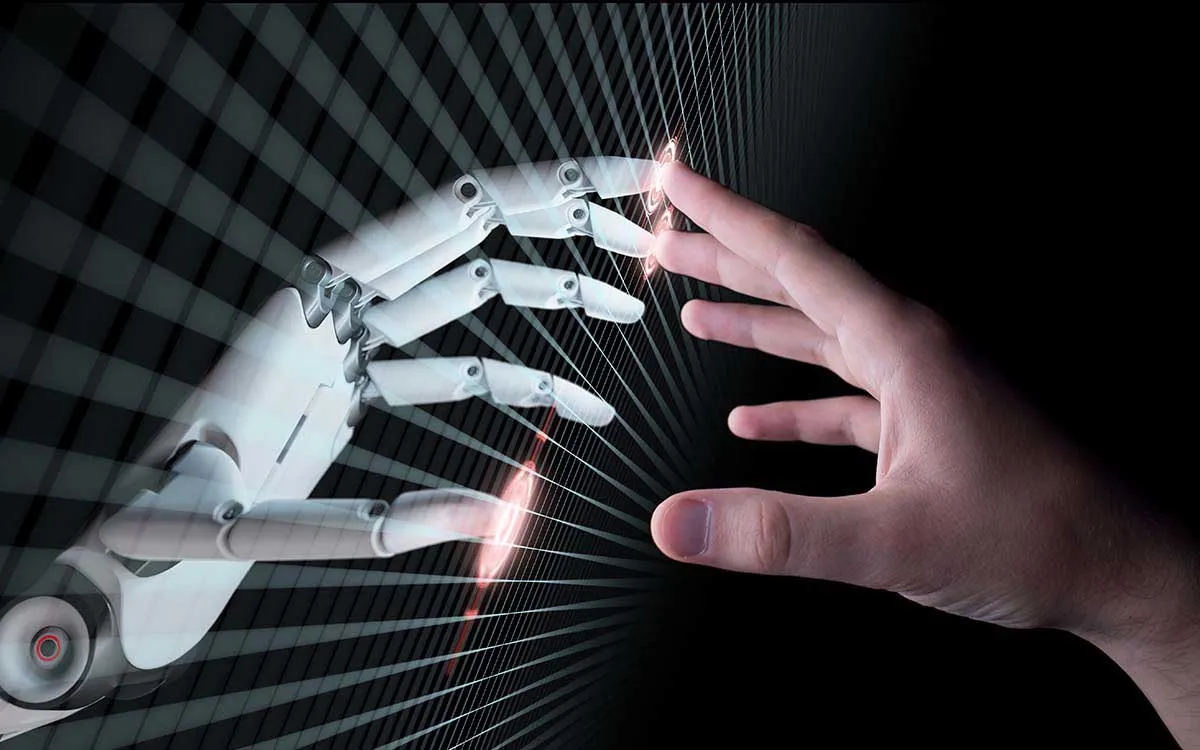
Artificial Intelligence And Changing Job Markets
In a recent research report, the Mexican Institute for Competitiveness warned that the rapid expansion of artificial intelligence is widening the gap between corporate demands and traditional education systems. Fernanda Garcia, director of society at IMCO, explained during a media interview that automated technologies are accelerating market shifts faster than academic institutions can adapt.
Citing reports from the organization, specialized digital learning platforms have experienced massive surges, including a 356 percent increase in generative AI course enrollments in Mexico throughout 2025. Despite this technological pivot, employers continue to prioritize essential human capabilities over purely technical proficiencies.
"Entonces no olvidar en este mundo o en esta era de la tecnología que las habilidades humanas que no se pueden reemplazar por la inteligencia artificial es lo que más se está buscando," Garcia emphasized regarding core workplace competencies.
According to workplace data, three of the top five skills demanded by Mexican employers are soft skills, specifically critical thinking, leadership, and professional resilience. Industry experts note that while technical training is crucial, interpersonal strengths remain entirely indispensable for long-term career progression.
The Evolution Of Entry Level Positions
Based on reports from the research institute, entry-level positions traditionally occupied by recent college graduates are undergoing significant structural transformation. Routine tasks like database cleaning are increasingly handled by automated AI systems, which raises immediate productivity while reducing traditional training grounds.
Analysts warn that the scarcity of standard entry-level openings threatens future talent pipelines by cutting off essential stepping stones needed for mid-level and senior management roles. Growth rates for entry-level jobs slowed down to roughly three percent quarterly after previously registering a nine percent expansion.
Simultaneously, corporate hiring trends show an increasing preference for demonstrated capabilities over traditional university degrees across several modern industries. Data reveals that approximately nineteen percent of employers currently lean toward skills-based hiring models rather than mandatory formal diplomas.
"Es algo que vemos a nivel global y en México empieza a crecer esta tendencia, todavía es bajo el dato, uno de cada cinco empleadores contrata por esta modalidad," Garcia noted regarding the gradual shift in corporate recruitment practices.
