Agricultural Leaders Demand Scientific Proof
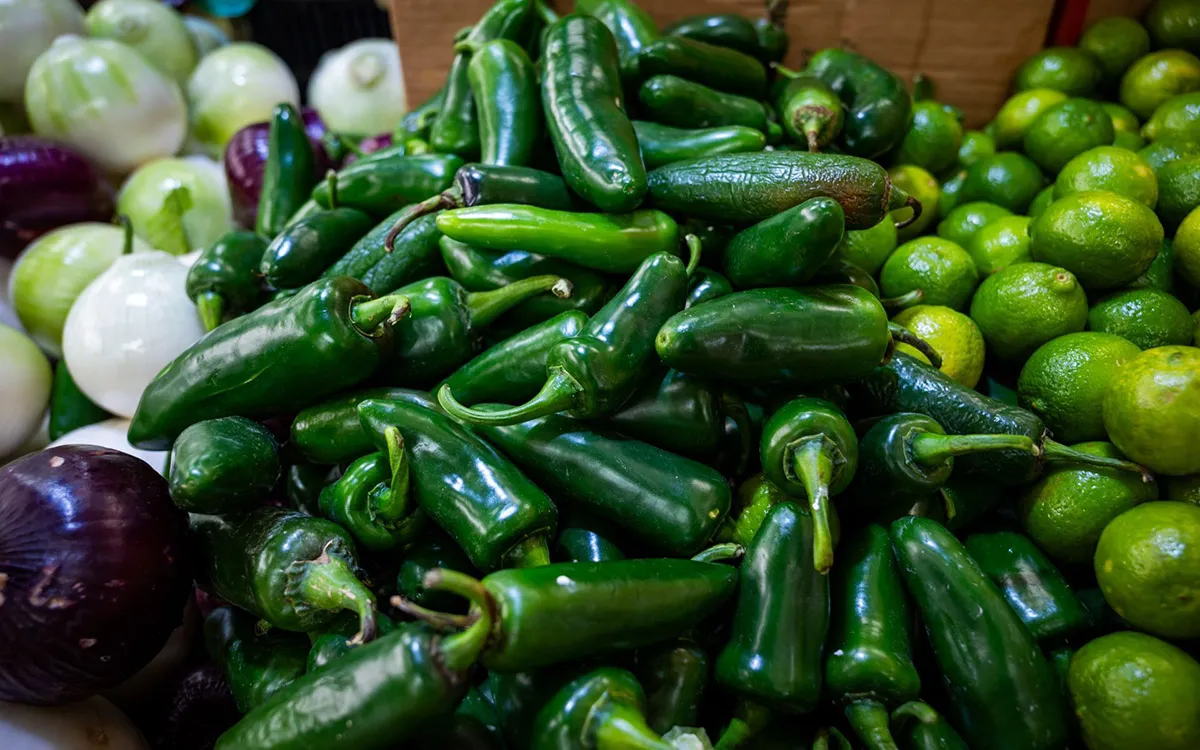
In response to recent health investigations and export restrictions, National Agricultural Council President Jorge Esteve Recolons urged United States authorities to act with caution and rely strictly on laboratory data. The official appeal comes amid ongoing salmonella investigations linked to jalapeno peppers and temporary disruptions impacting avocado exports from Michoacan.
According to reports, the Mexican agricultural sector maintains active communication with American officials to understand the scope of ongoing investigations and cooperate fully. Industry leaders emphasize that food safety remains a top priority for domestic producers while serving as a vital passport for international trade.
"Nos tomamos muy en serio lo que es la seguridad alimentaria, no solamente es importantísimo para nuestra población, sino es nuestro pasaporte para exportar," Esteve Recolons stated during a recent media interview regarding international quality standards.
Exporters point out that agricultural goods undergo rigorous supervision and certification processes long before reaching American consumers. Independent verifications by supermarkets, distributors, and restaurant chains evaluate water quality, operational hygiene, and sanitation practices at every stage of the supply chain.
Preventive Actions And Extortion Pressures
Addressing voluntary product withdrawals by companies like Taylor Farms, industry representatives clarified that operations remain under close scrutiny while investigations proceed. Leaders noted that temporary sales suspensions often protect consumer confidence while laboratories determine the precise origin of potential contaminants.
Esteve Recolons stressed that illnesses like salmonella require extended incubation periods, making immediate source identification difficult without proper trace data. Investigators maintain that restaurant-level hygiene deficiencies and staffing shortages can also introduce risks into food handling environments.
Beyond health inspections, producers in Michoacan face severe economic challenges stemming from criminal extortion and traditional orchard aging. Industry assessments indicate that various operational pressures cause roughly fifty percent of local avocado producers to operate at a financial loss.
"Son una serie de factores, entre ellos, sin lugar a duda, tiene que ver la extorsión, pero no solamente es eso," Esteve Recolons explained regarding the multifaceted cost increases affecting rural agricultural operations.
