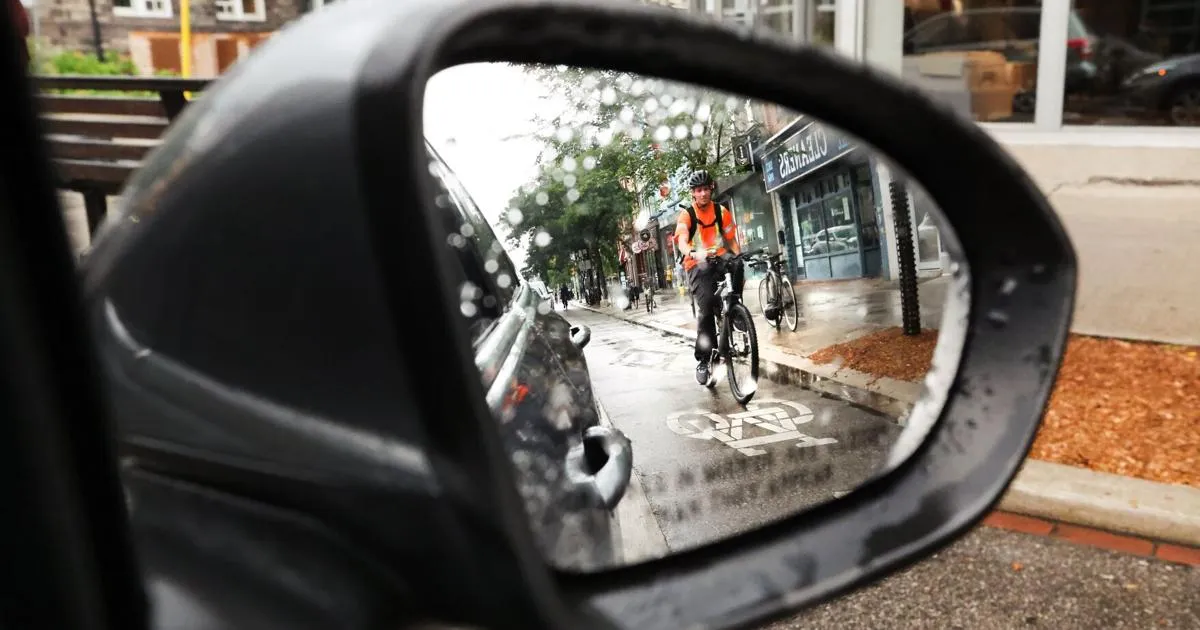
Court Ruling Revives Toronto Bike Lane And Traffic Debate
The Ontario Court of Appeal recently overturned a 2025 ruling that deemed Premier Doug Ford's efforts to remove Toronto bike lanes unconstitutional, reigniting heated political battles over urban traffic congestion.
Critics and local politicians often treat bike lane removal as a simple remedy for traffic gridlock, despite global studies indicating that dedicated lanes actually assist overall traffic flow and urban mobility.
Because transportation infrastructure is an emotional and divisive subject, simple bike lanes frequently serve as political wedges designed to pit different commuter groups against one another during election cycles.
"Everyone thinks they have an easy way to solve congestion," reports indicate, pointing out that unscientific beliefs often overshadow actual data and transport research in municipal debates.
Alternative Routes And Infrastructure Realities In Toronto
Proponents of removing lanes often suggest that cyclists simply utilize side streets, but urban planners note that Toronto lacks continuous side streets due to historical development patterns, natural landforms, and railways.
Instead, most forms of transportation must share a limited number of main corridors that follow the old colonial concession grid, meaning removing bike lanes forces cyclists onto busier and more dangerous main roads.
According to reports, the friction between municipal authorities and the provincial government has created a toxic relationship mired in bad faith arguments and politicized decision-making over road safety.
Meanwhile, new technological disruptions like electric bikes and app-based delivery services continue to complicate urban traffic dynamics as delivery personnel navigate main streets regardless of lane configurations.
Enforcement Campaigns And Broader Urban Safety Challenges
Toronto authorities have recently launched educational campaigns and targeted police enforcement blitzes focusing on micromobility devices such as bicycles, e-bikes, cargo bikes, and e-scooters.
While education campaigns play a vital role in changing commuter habits, critics argue that police blitzes alone fail to resolve fundamental motor vehicle safety issues or persistent speeding on city roads.
As other major urban centers pursue direct actions against illegal vehicle and bike sales, local observers emphasize that true progress requires genuine co-operation between city and provincial leaders.
Ultimately, experts warn that relying on political wedge issues will fail to deliver lasting solutions for road safety, e-bike regulations, or the broader traffic crisis facing the city.
