Overseas Voters Swing Tight Elections Across Latin America
Keiko Fujimori secured victory as Peru's president after a razor-thin election where citizens living abroad ultimately tipped the scales against rival Roberto Sánchez. This unprecedented scenario marks a major milestone in Latin America, where overseas ballots traditionally face lower participation rates but carry massive potential.
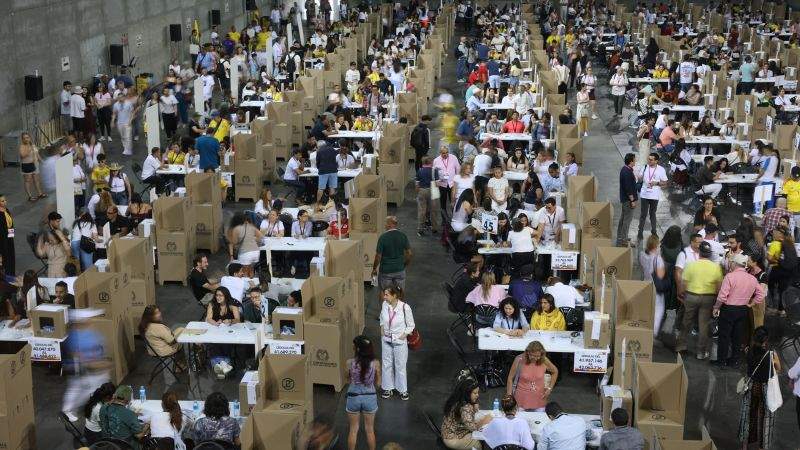
According to reports, a similar dynamic played out in Colombia's presidential race, where Abelardo de la Espriella won by roughly 250,000 votes, though his margin would have plummeted to under 75,000 without foreign ballots.
Political experts note that because diaspora votes are counted last, they create a calendar trap that makes them appear disproportionately decisive compared to domestic provincial votes.
"There is a pernicious calendar trap. These are the votes that are counted at the end, so it seems like they are decisive votes," said political scientist Manuel Alcántara Sáez.
Participation Hurdles and Regulatory Barriers Abroad
Despite massive diaspora populations in nations like Mexico and Guatemala, logistical hurdles, strict registration requirements, and high costs keep participation significantly lower abroad than inside home territories.
Citing data from international experts, voter turnout among expatriates averages around 13 percent compared to 61 percent domestically, largely due to cumbersome in-person voting rules and a lack of electronic or postal options.
In Venezuela, nearly 5 million citizens were eligible to vote in 2024, yet only about 1 percent successfully cast ballots due to severe registration roadblocks and documentation shortages imposed by authorities.
"As long as there is no postal or expanded voting, or an electronic voting mechanism, being able to vote remains cumbersome," said Chilean political scientist Marcela Ríos Tobar.
Debating Representation and the Future of Expatriate Voting
The growing political influence of expatriates has reignited philosophical debates across the region regarding whether citizens living outside their home country should dictate national leadership.
Experts point out that many Latin American countries historically established external voting as a form of reparation for communities displaced by economic hardship, political persecution, or armed conflict.
Furthermore, diasporas maintain powerful economic ties to their homelands through remittances that contribute significantly to regional gross domestic products.
"Allowing them to vote is allowing a connection with their country of origin, strengthening ties," Ríos explained, noting that modern political campaigns are increasingly targeting these overseas communities on social media.
