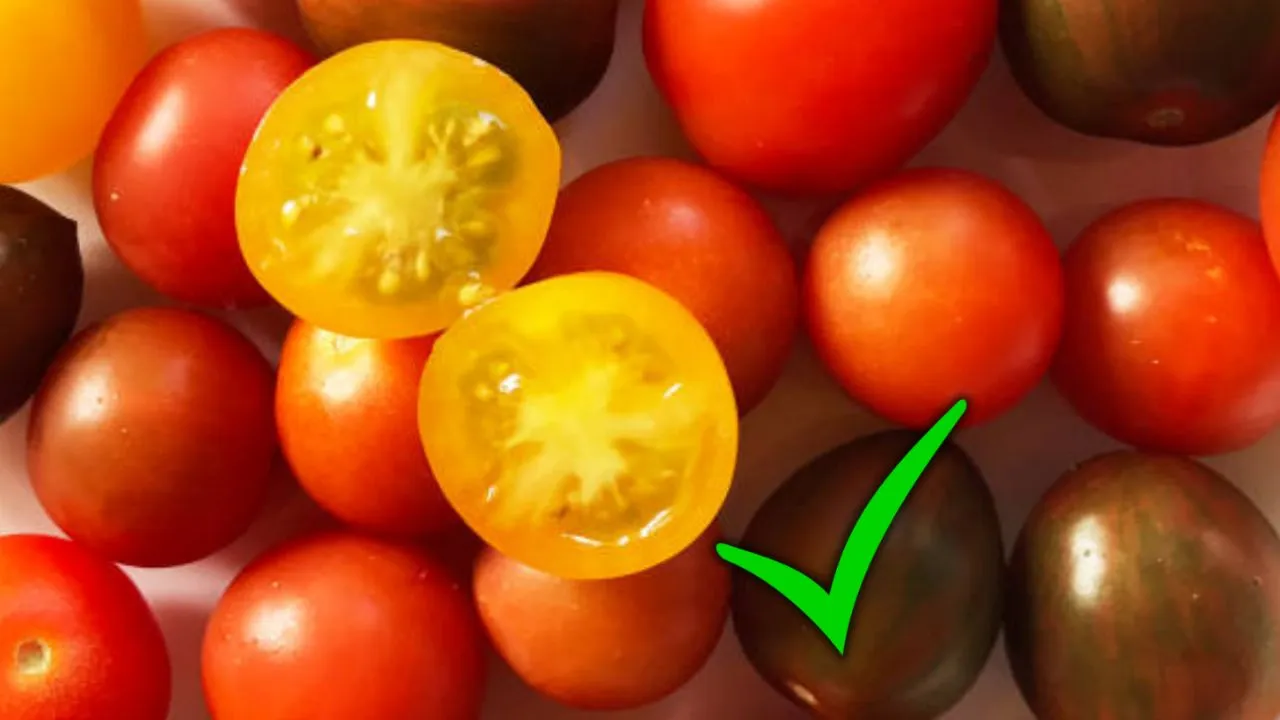
Why Refrigerators Ruin Green Tomatoes
According to reports from the University of California in Davis, storing green tomatoes in the refrigerator interferes with their natural ripening process and alters crucial internal hormones.
Researchers analyzed fruits stored at different temperatures and discovered that green tomatoes kept at approximately five degrees Celsius suffered from a noticeably inferior final quality compared to those kept around twenty degrees Celsius.
While low temperatures extended the overall shelf life of the produce, they severely damaged the genetic expression responsible for optimal taste and color development.
Based on findings by food scientists, keeping whole and firm tomatoes at room temperature in a well-ventilated area away from direct sunlight remains the golden rule for preserving proper flavor.
The Chemical Impact of Cold Storage
Citing reports on biological processes, cold temperatures disrupt internal coordination and lead to an unpleasant texture and uneven softening of the fruit over time.
This temperature sensitivity also manifests as a distinct loss of natural aroma and sudden disruptions in vital hormonal changes during the maturation cycle.
Experts note that pulling fully ripened tomatoes out of the refrigerator shortly before consumption allows them to regain some of their sensory expression as they warm up.
Kitchen ambient temperature plays a crucial role in this process, though extreme heat exceeding thirty degrees Celsius accelerates deterioration and forces homeowners to find the coolest corner of the house.
When Cold Storage Becomes Necessary
Specific scenarios require the use of cold temperatures, particularly when a fruit reaches high maturity and will not be consumed immediately by the household.
In these instances, refrigeration serves strictly to buy extra time before visible signs of decomposition appear, shifting the goal from developing color to halting final softening.
The preservation rules change completely once a tomato has been cut open, because exposed surfaces and increased microbiological risks accelerate the decay process.
For food safety reasons, sliced tomatoes must always go into a clean, sealed container inside the refrigerator and be consumed as quickly as possible.
