Leading From The Front Line
According to reports from Adre in Chad on August 15, 2026, a resilient Sudanese refugee named Sahra is serving as a primary school head teacher in an eastern Chadian camp after fleeing the devastating conflict in West Darfur that began in April 2023.
Citing reports from humanitarian organizations, the ongoing war between the Sudanese Armed Forces and the paramilitary Rapid Support Forces has forced millions from their homes, driving nearly one million refugees across the border into Chad.
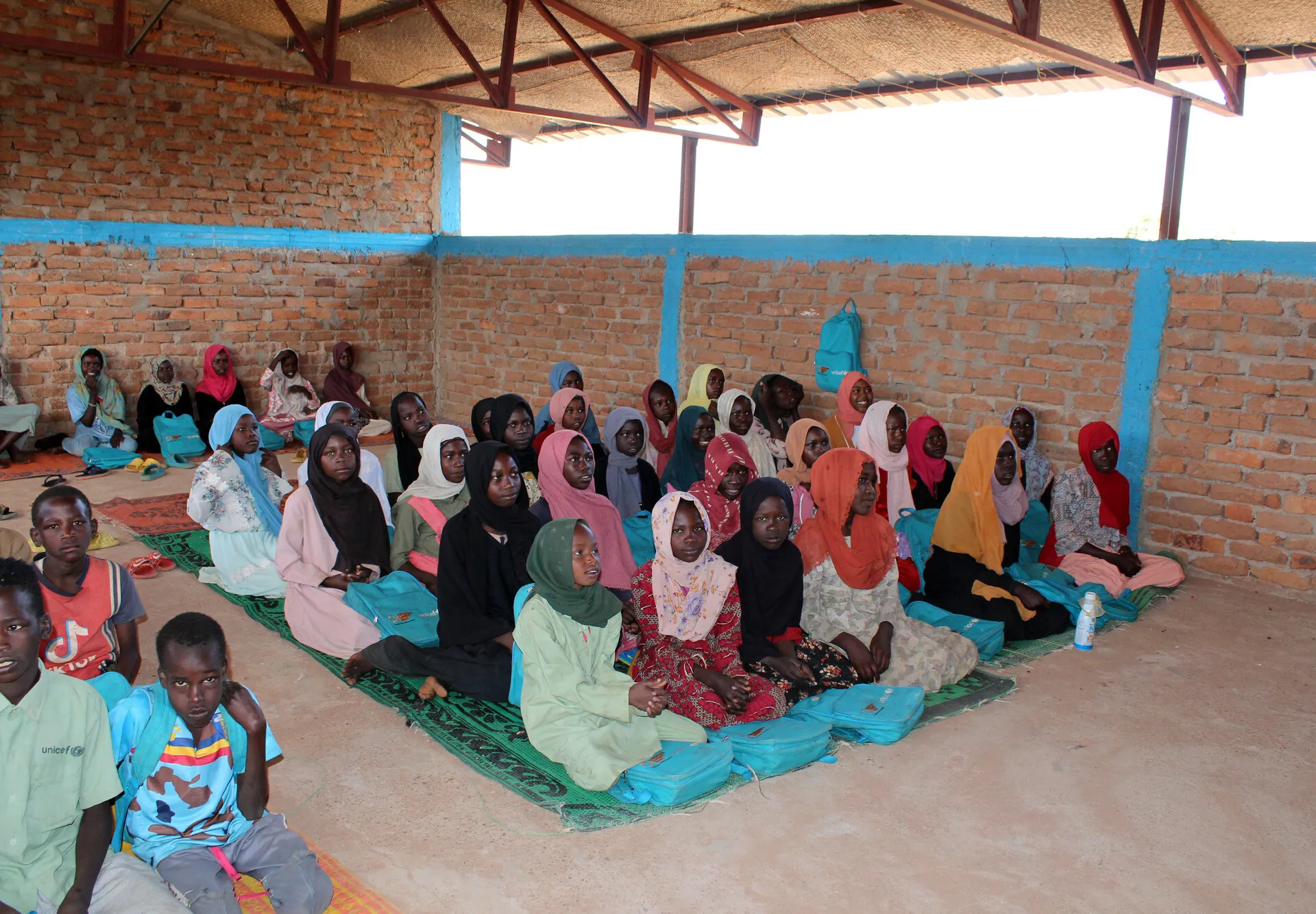
Based on data from Plan International, the primary school established in the camp now accommodates 1,059 pupils with 30 teachers recruited directly from the displaced refugee community to deliver vital educational services.
"Illiteracy is very dangerous," Sahra states while explaining her mission. "I want the children to be optimistic about the future because education prevents them from early marriage and violence."
Overcoming Scarcity And Adapting
Operating an educational facility inside a displacement camp comes with immense challenges, including adjusting to the Chadian curriculum while bridging language gaps between Sudanese and Chadian students.
Oummalnas, a teacher who fled el-Geneina in 2024, notes that the teaching syllabus in Chad requires additional workshops and training sessions to help refugee educators adapt successfully.
Beyond academics, organizations like Plan International integrate child protection by providing safe play spaces for younger children and psychosocial support in the absence of formal kindergartens.
Parents like Charfadine express deep gratitude for the school environment, noting that it provides a safe and receptive place that protects their children from surrounding criminal groups.
Critical Funding Shortfalls And Future Hopes
Despite these dedicated community efforts, the 2026 Sudan Regional Refugee Response Plan received only 17 percent of the required funding, leaving a massive 83 percent resource deficit for educational sectors.
The lack of proper infrastructure is apparent daily at Sahra's school, where students sit packed together on the ground without electricity, flush toilets, or accessible facilities for disabled children.
Community workers like Azraa conduct tent-to-tent visits to encourage families to keep children in classrooms rather than pulling them out for firewood collection, water fetching, or casual labor.
Abakar Mahamat Nour from the Economic and Social Development Agency emphasizes that cross-border solidarity remains high, viewing the arrival of skilled Sudanese educators as a valuable cultural and academic asset for Chad.
