Decades Of Archaeological Exploration Uncover Spanish Civil War Realities
Citing reports detailing historical excavations between 2006 and 2008, Aragonese historian Javier Navarro sheds light on the complex nature of locating Spanish Civil War burial sites across altered agricultural terrain and forgotten landscapes.
According to accounts from early campaigns, investigators often spent months searching areas based on family traditions, only to discover actual sites situated dozens of meters away from memorialized markers.
Based on reports from these initial difficulties, experts learned that reconstructing historical landscapes and purifying archival sources must precede any physical ground intervention to ensure successful archaeological outcomes.
"Before opening earth, you have to reconstruct the landscape and purify the sources," Navarro noted, emphasizing the strict methodical rigor required when dealing with historical missing persons cases.
New Documentation And Geophysical Surveys Target New Locations
In subsequent years, researchers shifted their focus toward alternative locations based on documentation provided by journalist Eduardo Molina Fajardo and researcher Miguel Caballero, targeting a former military instruction camp near Viznar and Alfacar.
Equipped with advanced ground-penetrating radar operated by geophysics chair Francisco Garcia, teams initiated prospecting campaigns in 2013 under a commission from the regional government of Andalusia.
Despite utilizing state-of-the-art geophysical tools and historic aerial photographs supplied by retired legal general Fernando Nestares, initial exploratory trenches in the western platform revealed no human remains.
According to reports, subsequent private funding and authorizations from local authorities allowed researchers to resume campaigns in September 2016 to investigate remaining anomalies within a defined one-hundred-square-meter zone.
Ballistic Evidence And Historical Accounts Point Toward Restored Truths
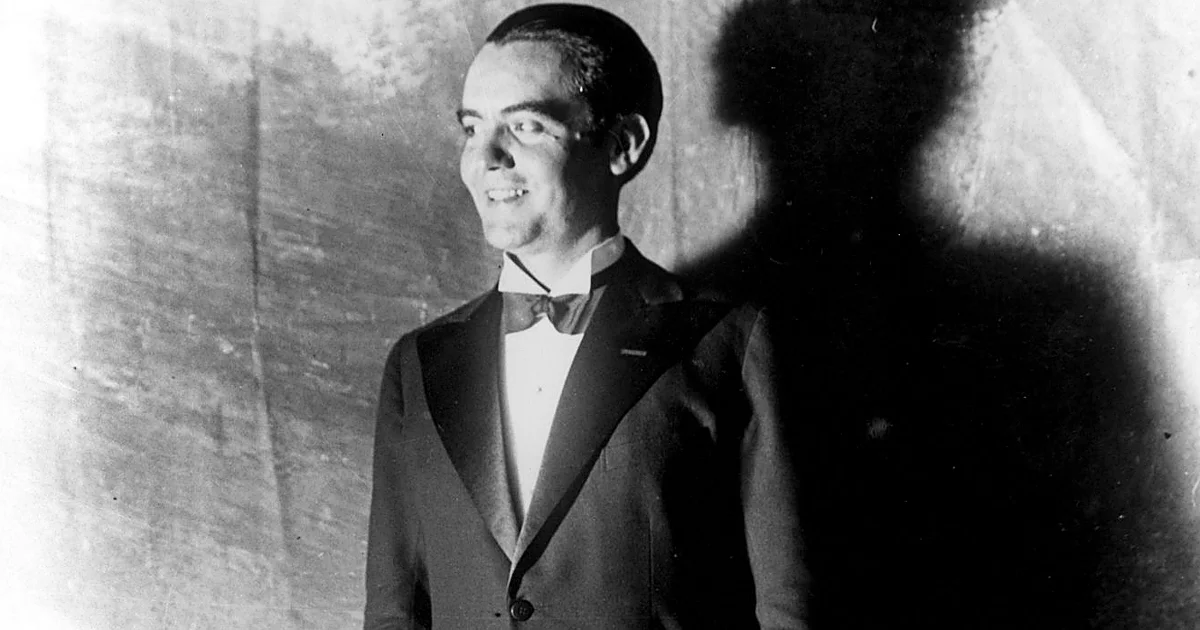
Although the extensive manual and mechanical excavations failed to recover the physical remains of poet Federico Garcia Lorca and his companions, expert anthropologists identified critical ballistic fragments and Mauser bullet casings.
Ballistic analysis revealed deformations typical of projectiles that lost kinetic energy after passing through a human body, aligning with testimonies suggesting execution events occurred near the Pepino farmhouse.
Furthermore, researchers reviewed historical testimonies such as Emilia Llanos Medina"s account, which suggests the poet"s body may have been subsequently relocated to a larger collective grave to prevent discovery.
While the definitive resting place remains unconfirmed pending further excavations in the Viznar ravine, ongoing investigations continue to validate the historical geography surrounding Lorca's final hours.
