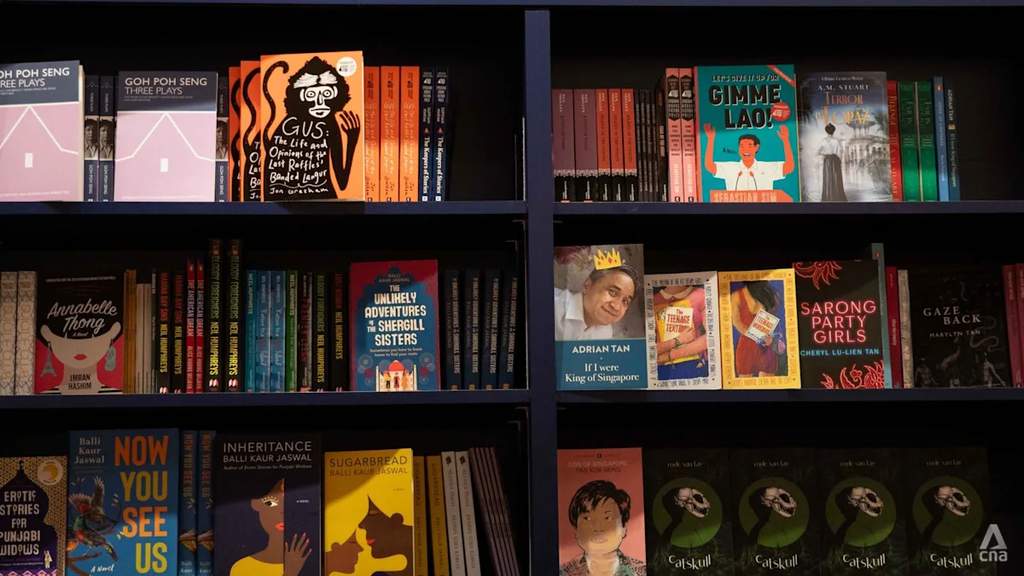
Tackling Isolation Through Shared Reading
A growing movement of men"s book clubs is sweeping through Singapore, offering a vital outlet to counter the modern male loneliness epidemic by combining literature with candid discussions on mental health and masculinity. Co-founded by geopolitical risk analyst Isaac Neo and Zubin Jain in late 2025, the Modern Man"s Book Club was established to address the scarcity of male-centric literary gatherings and provide a judgment-free zone for men to share personal struggles.
Based on reports from the organizers, attendance has surged from a handful of participants to consistent turnouts of 15 to 20 attendees per session. According to Neo, the initiative directly addresses rising concerns over male mental health, social isolation, and the pressures of navigating traditional gender expectations in contemporary society.
Citing reports from local institutions, older men and younger demographics alike face significant hurdles regarding social disconnection. A 2020 National University of Singapore study revealed that elderly men aged 61 to 96 were twice as likely to be socially disconnected as women, while a 2023 Institute of Policy Studies poll highlighted high loneliness levels among youths.
"We saw a potentially underserved audience and decided to start a book club for men who may already be reading or want to read more, but lack an outlet to share their thoughts about the books they read," Neo explained regarding the inspiration behind launching the specialized literary circle.
Breaking Stereotypes About Male Communication
Challenging the stereotype that men struggle to express their inner feelings, sessions often evolve into deeply personal conversations sparked by fictional characters. During a discussion on Balli Kaur Jaswal's novel Inheritance, participants openly explored shifting expectations surrounding romantic relationships and familial roles in modern Singapore society.
Discussions frequently branch into complex topics, such as intergenerational differences in masculinity and the emotional detachment portrayed in contemporary literature. When analyzing David Szalay's novel Flesh, attendees shared frank perspectives on aging, emotional availability, and the realistic portrayal of men from different eras.
Participants note that analyzing fictional narratives serves as an effective stepping stone for reticent individuals. By using characters as a psychological foil, members find it easier to articulate their own vulnerabilities before opening up about personal experiences with the wider group.
"As someone who is slightly older and comes from the same era as the character, I can tell you this portrayal is entirely realistic of men of that age," one middle-aged participant shared during a lively debate on literary depictions of masculinity.
Fostering Self Reflection and Connection
Beyond literary appreciation, the book club functions as a supportive network that encourages critical self-reflection and mental well-being among its members. Organizers emphasize that pushing participants to read challenging works outside their comfort zones ultimately aids in strengthening interpersonal relationships and reducing everyday stress.
Citing psychological research, structured self-reflection is closely linked to improved decision-making and enhanced prosocial behavior. By tackling profound works like Fyodor Dostoevsky's Notes From Underground, members confront difficult personal truths and realize they share common emotional struggles with fellow attendees.
The success of these gatherings highlights an underlying demand for male-centric support structures that bridge the gap left by online echo chambers and hypermasculine subcultures. Providing a healthy environment for dialogue helps counteract harmful internet content by promoting genuine human connection.
"It was Dostoevsky and Dickens who taught me that the things that tormented me most were the very things that connected me with all the people who were alive," Neo noted, quoting author James Baldwin to underscore the unifying power of shared literature.
