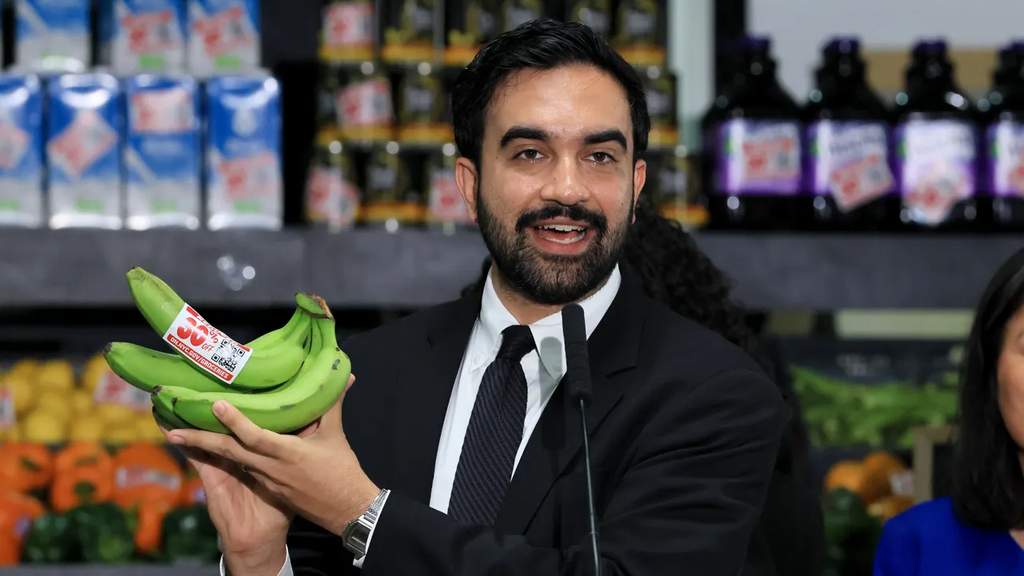
Mamdani Grocery Plan Sparks Fierce Voter ID Hypocrisy Debate
New York City Mayor Zohran Mamdani and city economic development officials faced intense criticism on Monday after floating a library-card-style tracking system for upcoming government-run discounted grocery stores. During a press briefing on Monday, officials discussed implementing a membership measure to prevent bulk purchases and reselling at artificial discounts, triggering immediate backlash from critics pointing out Democratic opposition to traditional voter identification laws.
The controversy erupted when New York City Economic Development Corporation head Jeanny Pak responded to a reporter inquiry regarding bulk-buying safeguards by suggesting a library-card-esque framework. Pak emphasized that the administration wants to target everyday New Yorkers and ensure that participants utilize the program strictly for feeding local families rather than exploiting market discrepancies for quick profits.
According to reports, the proposed framework immediately drew sharp parallels to the ongoing national debate surrounding election security and voter verification requirements. Critics across the political spectrum quickly highlighted the apparent contradiction between rejecting identification mandates at the ballot box while simultaneously considering tracking mechanisms for subsidized retail outlets.
Prominent political figures and commentators voiced immediate skepticism over the administration's dual approach to identification requirements across different public sectors. Commentators argued that implementing access controls for municipal grocery markets while opposing similar measures for democratic elections reveals a profound double standard among progressive leaders.
City Officials Defend Customer Card Against Backlash
Following the widespread public backlash, a Mamdani spokesperson firmly defended the initiative by characterizing comparisons to voter identification laws as an apples-to-oranges contrast. The spokesperson asserted that the proposed mechanism is merely a practical inventory management tool rather than a formal identification system designed to verify personal identity, residency, or earning levels.
Citing reports from city hall, representatives clarified that the stores will remain open to the general public without requiring proof of identity, legal residency, or income documentation to purchase items. Instead of a strict government-issued ID card, operators may deploy a voluntary customer loyalty program similar to standard commercial grocery store chains.
The official Request for Proposal documentation indicates that prospective operators will create a voluntary, free-to-access membership card program explicitly tailored to monitor sales activity and implement demand management measures. The guidance explicitly mandates that the savings card shall not serve as a prerequisite for physical access to the municipal grocery locations.
Despite these administrative clarifications, conservative critics remained entirely unconvinced by the city's nuanced distinctions between loyalty programs and mandatory identification checks. Commentators and lawmakers continued expressing disbelief across social media platforms regarding the operational framework governing the taxpayer-funded retail initiative.
Lawmakers and Commentators Blast Double Standards
Prominent Republican leaders joined conservative media personalities on Monday to mock the administration's controversial retail tracking proposals and highlight perceived hypocritical stances on identification protocols. Former Virginia Attorney General Jason Miyares questioned the logic of requiring identification validation to purchase discounted milk while dismissing voter verification mandates as oppressive.
Federal lawmakers also weighed in heavily on the emerging controversy, with Indiana Republican Senator Jim Banks emphasizing that the political double standard must end immediately. Critics argued that progressive politicians readily embrace identification systems when managing municipal resources yet simultaneously fight tooth and nail against similar requirements safeguarding the democratic voting process.
Radio host Rich Zeoli and other public figures joined the chorus of disapproval on social media by pointing out the irony of implementing protective store measures while opposing border control and election security rules. X CEO Elon Musk similarly chimed in on the digital platform, noting that the irony surrounding the municipal grocery oversight plan was exceptionally striking.
As the municipal grocery store initiative moves forward toward its scheduled implementation, the debate over administrative oversight and public identification requirements continues to generate intense political friction nationwide. Observers note that the controversy will likely remain a central flashpoint in broader discussions concerning government intervention and public trust.
