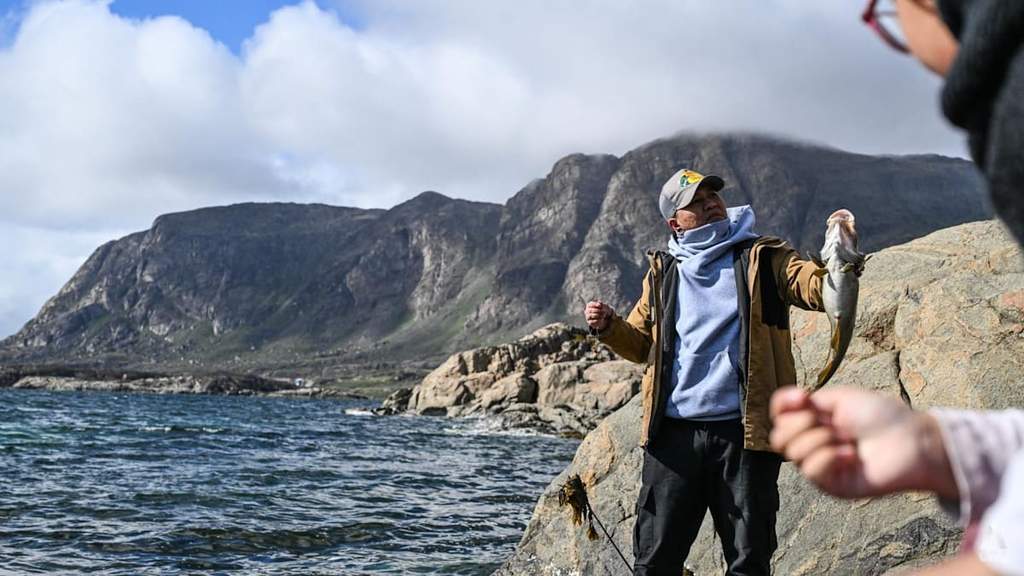
Labor Shortages Drive Arctic Migration
Severe labor shortages across Greenland have created an unexpected migration corridor from Southeast Asia, driving thousands of individuals and families to build new lives in the remote Arctic territory. According to recent reports, communities from the Philippines and Thailand have expanded significantly, now representing the island's largest foreign worker groups amid a rapidly growing local economy.
The world's largest island is currently experiencing one of the fastest demographic shifts in its modern history due to a small native population and the steady outmigration of young locals. Christian Kjeldsen, chief executive officer of the Greenland Business Association, stated that the territory heavily relies on foreign labor to sustain its expanding sectors.
Statistical data highlights this remarkable growth clearly, with the Filipino population rising from about 270 individuals five years ago to approximately 1,300 today. Meanwhile, the Thai community has roughly doubled during the same period, reaching approximately 460 residents out of a total island population of 57,000.
"If we all had two or three jobs, we still wouldn"t have enough people in Greenland, so we are going to be dependent on people coming in,' Kjeldsen explained regarding the absolute necessity of welcoming international workers into the local workforce across multiple industries.
Economic Opportunities Draw Families North
Economic incentives remain a primary driving force for Asian expatriates choosing to relocate to the freezing environment of Greenland despite the stark weather contrasts and complete absence of native trees. Annabelle Cruz, a 39-year-old sales leader at a local supermarket chain who moved from the Philippines, noted that the salary difference compared to her home country is substantial.
Financial records indicate that the average worker from Asia in Greenland earned an annual salary of US$52,800 based on 2024 economic data. This impressive figure amounts to roughly 9.5 times the average annual wage in Thailand and more than 12 times the average annual wage in the Philippines.
In addition to attractive wages, the autonomous territory within the kingdom of Denmark provides comprehensive public benefits for all legally registered workers. Steven Arnfjord, an associate professor at the University of Greenland, emphasized that workers holding valid permits are fully entitled to healthcare, education, and retirement funded through local taxes.
"If they have a working permit, they are entitled to healthcare, medicine, education, retirement, the lot, and everything is paid through our taxes, so it is publicly financed," Arnfjord noted while discussing the comprehensive welfare support available to international employees.
Establishing Roots and Community Support
Family connections rather than formal recruitment agencies serve as the primary thread connecting these migration stories across Greenland's vast settlements. Many workers initially establish themselves before bringing spouses or children through official family reunification allowances, creating expanding networks of relatives living across Nuuk and Sisimiut.
Longtime resident Merlyn Mejala capitalized on this growing demographic by launching a specialized grocery and smallgoods business catering directly to Asian expatriates. Her local store now supplies familiar comfort foods, instant noodles, and spicy snacks to members of the community spread across the entire territory.
Global attention surrounding the Arctic territory has also intensified following statements from United States President Donald Trump regarding national security interests in the region. Despite ongoing geopolitical discussions and shifts in international focus, everyday residents continue focusing on building stable livelihoods and thriving businesses.
"Greenland is not just a workplace, as it is the place where we built our family and life together," said Rid Mondejar, reflecting on her decade-long journey of adapting to the slower pace of life and economic stability found in the remote northern landscape.
